MA Design
Piet Zwarte Academie, Rotterdam
2022-2024
Exhibited during Life’s Rehearsal at the Inside-Out Art Museum in Beijing & Dutch Design Week 2024
Presented at the Prosperity Fashion conference
My MA Design research examines how fashion design, often dominated by visual considerations, can fail to meet the needs of individuals who prioritise other senses. This is particularly true for neurodivergent people, whose sensory experiences may not align with visually-emphasised fashion. As a result, the sensory aspects of clothing are frequently overlooked, which can subsequently have impact on wearers wellbeing. This research encourages designers to embrace and learn from a range of perspectives through direct collaboration. For more information about my personal relationship to the topic, please refer to About Me.
Through participatory design methods, my research led to the development of Dis(Embodied) Garments, a series of six garments designed in direct collaboration with neurodivergent artists and designers across Amsterdam, Rotterdam, and The Hague. You can read more about the research process and methodology here.
These garments reflect each individual participant’s contributions and insights during the workshops, showcasing the diverse sensory experiences within the neurodivergent community. The designs incorporate various sensory elements to engage the body in meaningful and personal ways, emphasising the role of fabric, texture, and trim in fostering positive sensory experiences. Each garment is informed by the participants’ sensory preferences and curiosities.
Below are images of selected final garments made, highlighting their sensory explorations through materials and trims.
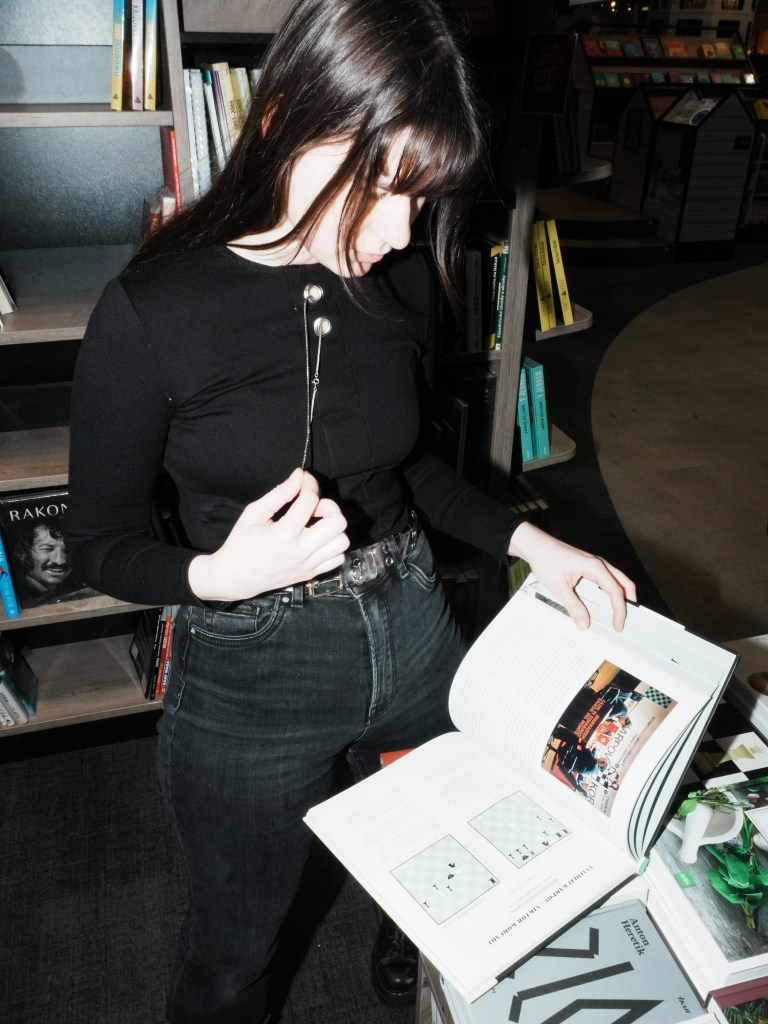
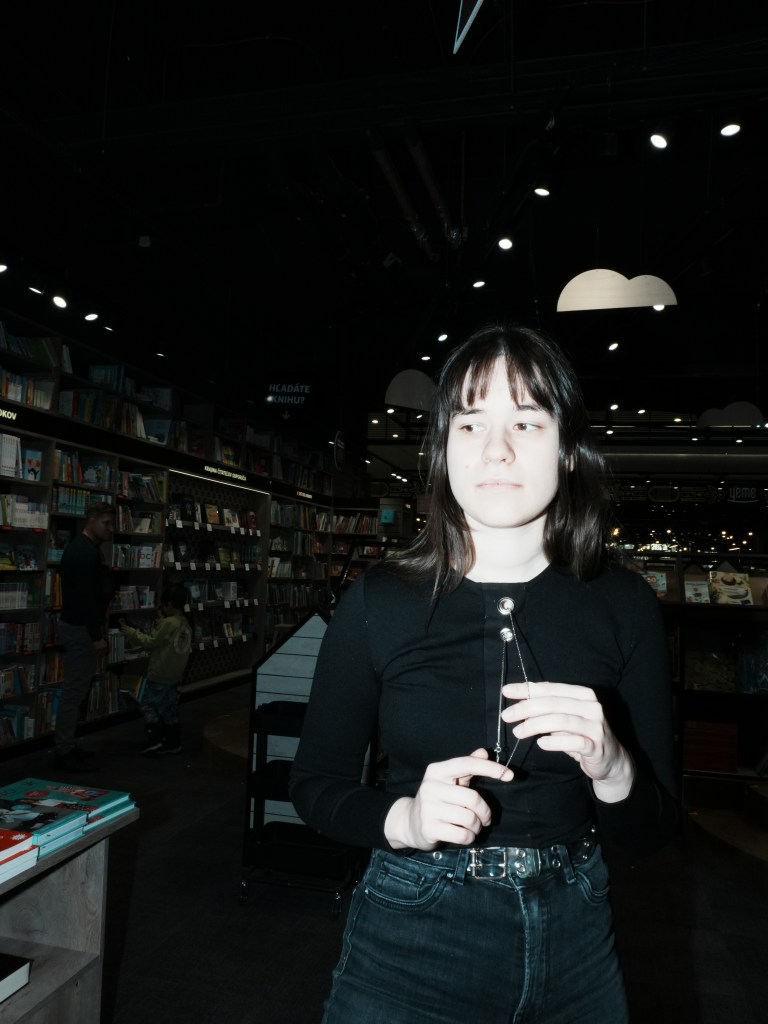

Playful Stimming: Two eyelets have been added at the chest to allow for a variety of items to be threaded through and played with when worn.

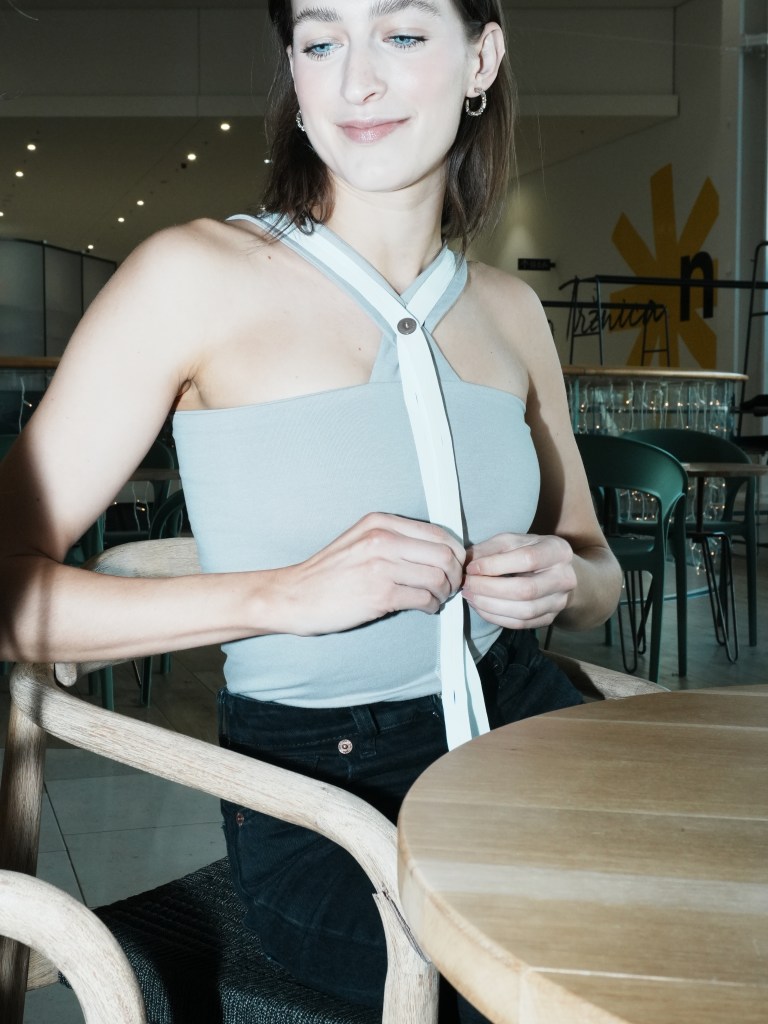
Elastic as Proprioception: This garments initiating participant used elastic as a way to create proprioceptive weight on the chest, ensuring adjustability through the use of buttons and buttonholes to fix into place.

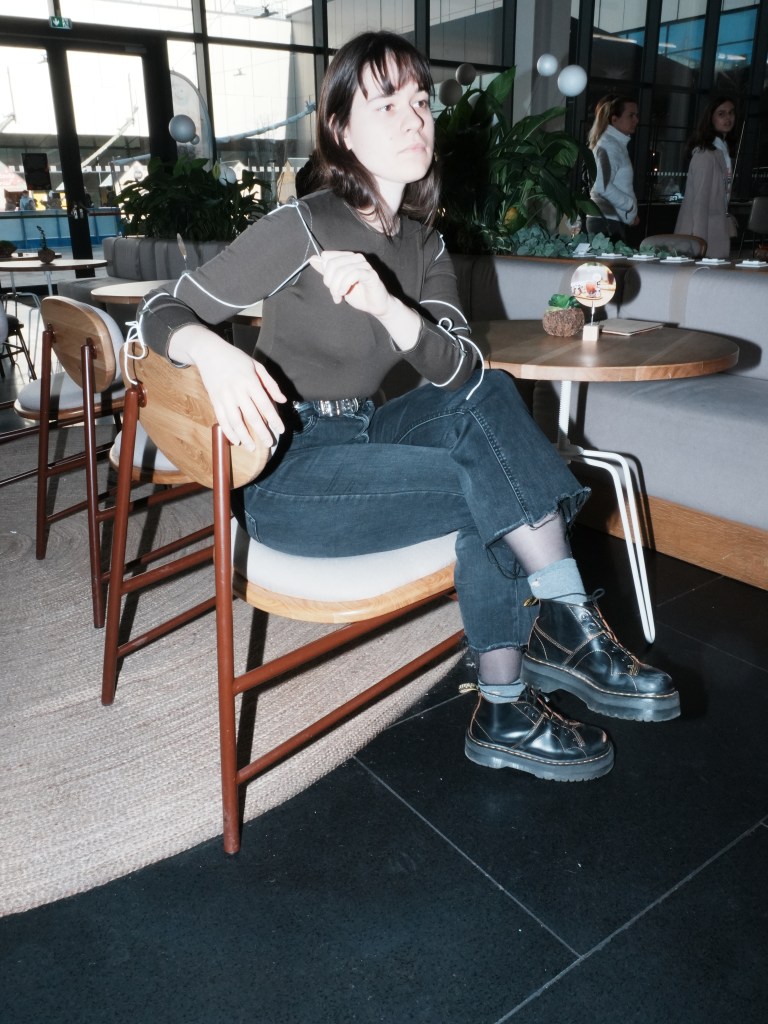
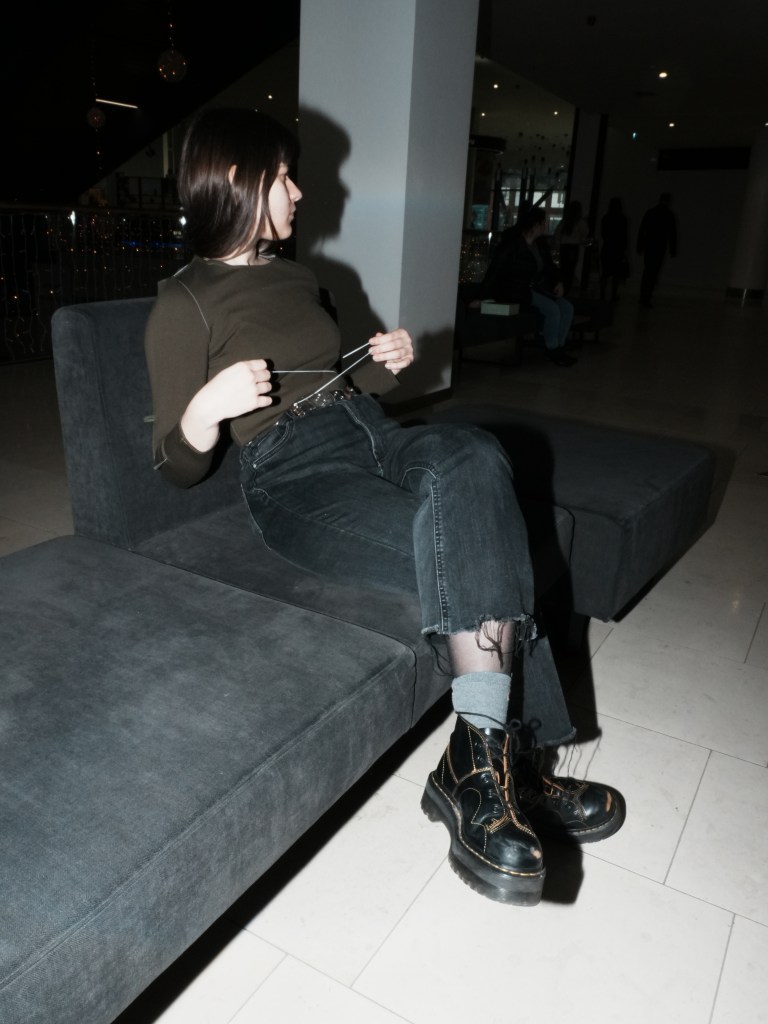
Movement and Rotation: Small loops have been added throughout the garment, wearers can thread through elastic or string in a variety of configurations to foster touch when wearing and interacting with the garment.
 Brittany Thorpe